

Introduction
Businesses today operate in a fast-paced digital environment where flexibility, efficiency, and scalability are essential for success. Traditional IT infrastructure often struggles to keep up with changing business demands, leading organizations to explore cloud-based solutions.
Cloud computing has become a key driver of digital transformation, enabling businesses to access resources, applications, and data from virtually anywhere while reducing infrastructure complexity.
What Are Cloud Solutions?
Cloud solutions refer to technology services delivered over the internet rather than being hosted entirely on local servers. These services can include:
- Data storage
- Business applications
- Backup and recovery
- Virtual servers
- Collaboration tools
Organizations can scale resources as needed without investing heavily in physical infrastructure.
Improving Business Flexibility
One of the biggest advantages of cloud technology is flexibility.
Businesses can quickly adapt to changing workloads, support remote employees, and deploy new applications without significant hardware investments. This agility allows organizations to respond faster to market opportunities and customer needs.
Enhancing Collaboration and Productivity
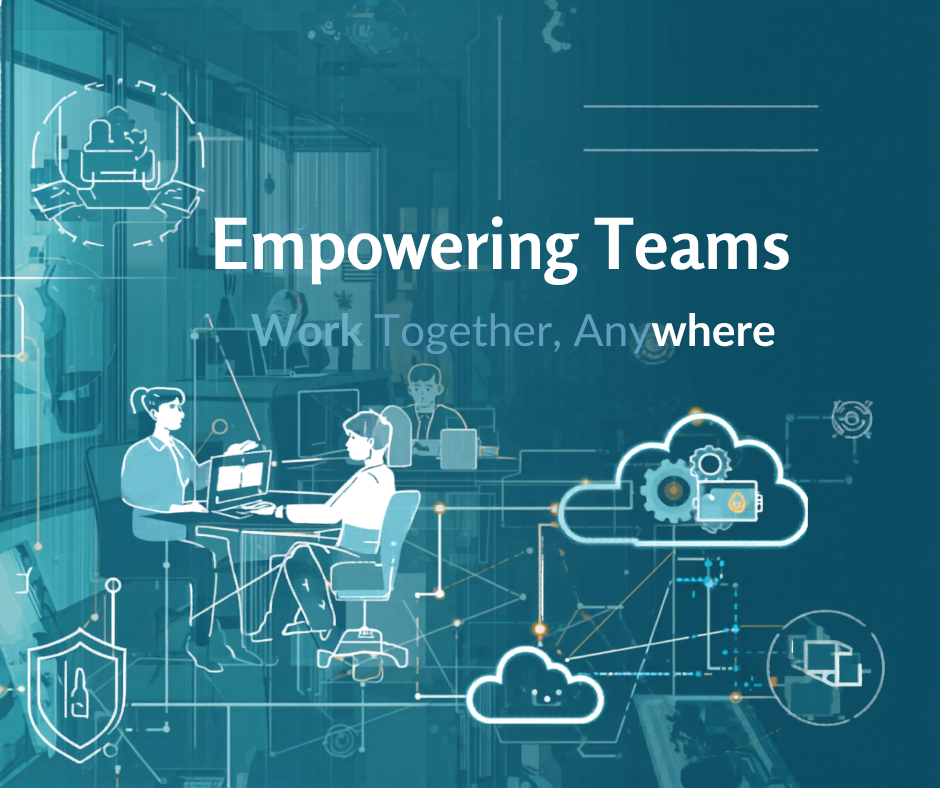
Modern workplaces often include employees working from different locations.
Cloud-based platforms enable teams to:
- Access files securely
- Collaborate in real time
- Share information efficiently
- Improve communication across departments
As a result, productivity increases while operational bottlenecks are reduced.
Strengthening Data Security
Security remains a top concern for businesses adopting cloud technologies.
Leading cloud solutions provide advanced security features such as:
- Data encryption
- Multi-factor authentication
- Access controls
- Continuous monitoring
When implemented correctly, cloud environments can offer stronger protection than many traditional systems.
Supporting Business Growth
As organizations expand, their technology requirements evolve.
Cloud solutions provide the scalability needed to support:
- Growing user bases
- Increased data volumes
- New business applications
- Multi-location operations
Businesses can add resources quickly without major infrastructure upgrades.
Reducing IT Costs
Traditional infrastructure requires significant investments in hardware, maintenance, and upgrades.
Cloud solutions help reduce these expenses by offering:
- Predictable operating costs
- Reduced hardware requirements
- Lower maintenance expenses
- Improved resource utilization
This allows businesses to allocate resources more strategically.
The Role of Cloud in Business Continuity
Unexpected disruptions can impact operations at any time.
Cloud-based backup and disaster recovery solutions help organizations:
- Protect critical data
- Minimize downtime
- Recover quickly from incidents
- Maintain operational continuity
A strong business continuity strategy is essential in today’s digital landscape.
How IT HUB Supports Cloud Transformation
IT HUB helps organizations leverage cloud technologies through:
- Cloud migration services
- Hybrid cloud solutions
- Cloud security implementation
- Backup and disaster recovery solutions
- Infrastructure optimization
Our team works closely with businesses to create cloud environments that align with their operational goals and growth strategies.
Conclusion
Cloud solutions have become an essential component of modern business operations. They provide the flexibility, security, scalability, and efficiency organizations need to remain competitive in an increasingly digital world.
Businesses that embrace cloud technology are better positioned to support growth, improve productivity, and adapt to future challenges with confidence.